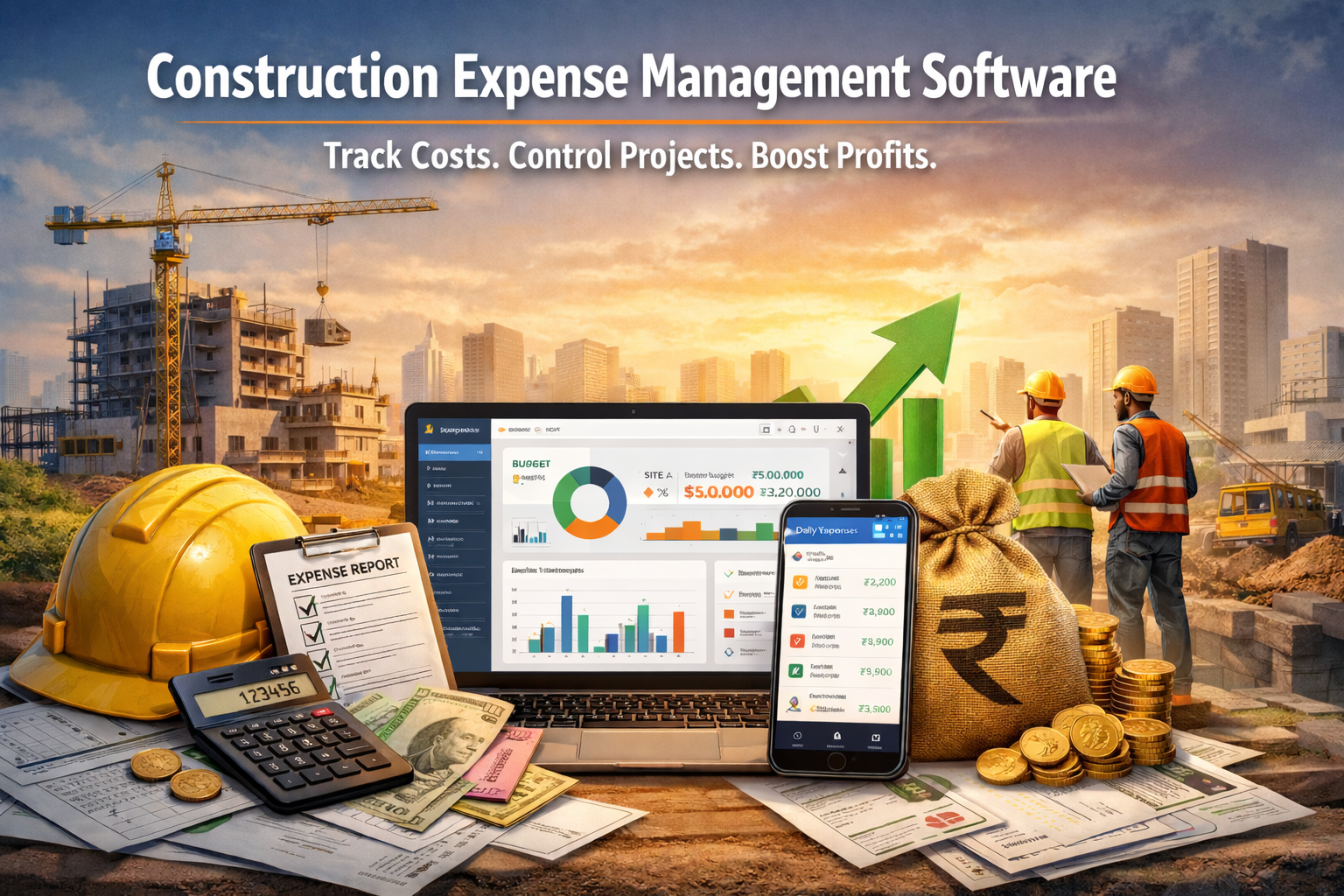



In construction and interior projects, profit is decided on-site—not in the office.
Yet most builders, contractors, and interior firms still manage expenses through WhatsApp messages, Excel sheets, verbal updates, or handwritten bills. This outdated approach silently drains money from every project.
Let’s break down where the money leaks, why it happens, and how proper expense tracking protects your margins.
The Hidden Truth: Projects Don’t Fail—Tracking Does
Most firms believe:
- “Our project budget is fine”
- “Expenses are under control”
- “Final accounts will balance out”
Reality:
👉 By the time final accounts are prepared, the money is already gone.
Expense tracking isn’t just bookkeeping—it’s profit protection.
Top 7 Ways Builders & Interior Firms Lose Money Without Expense Tracking
1. Unrecorded Daily Site Expenses
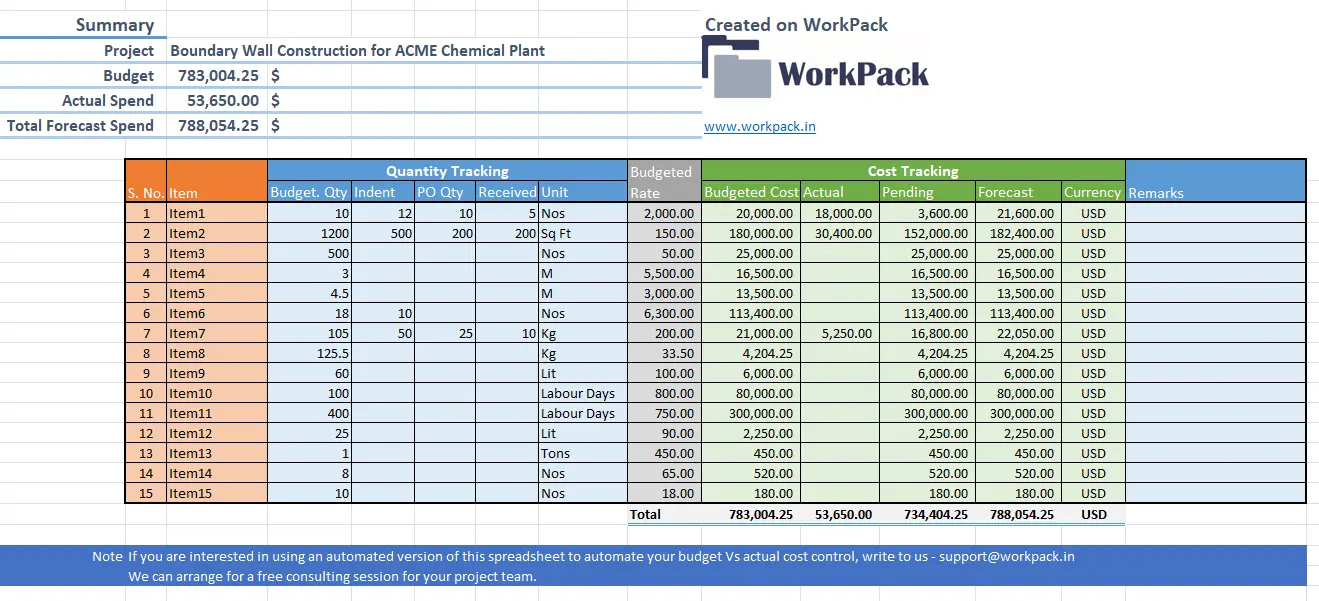

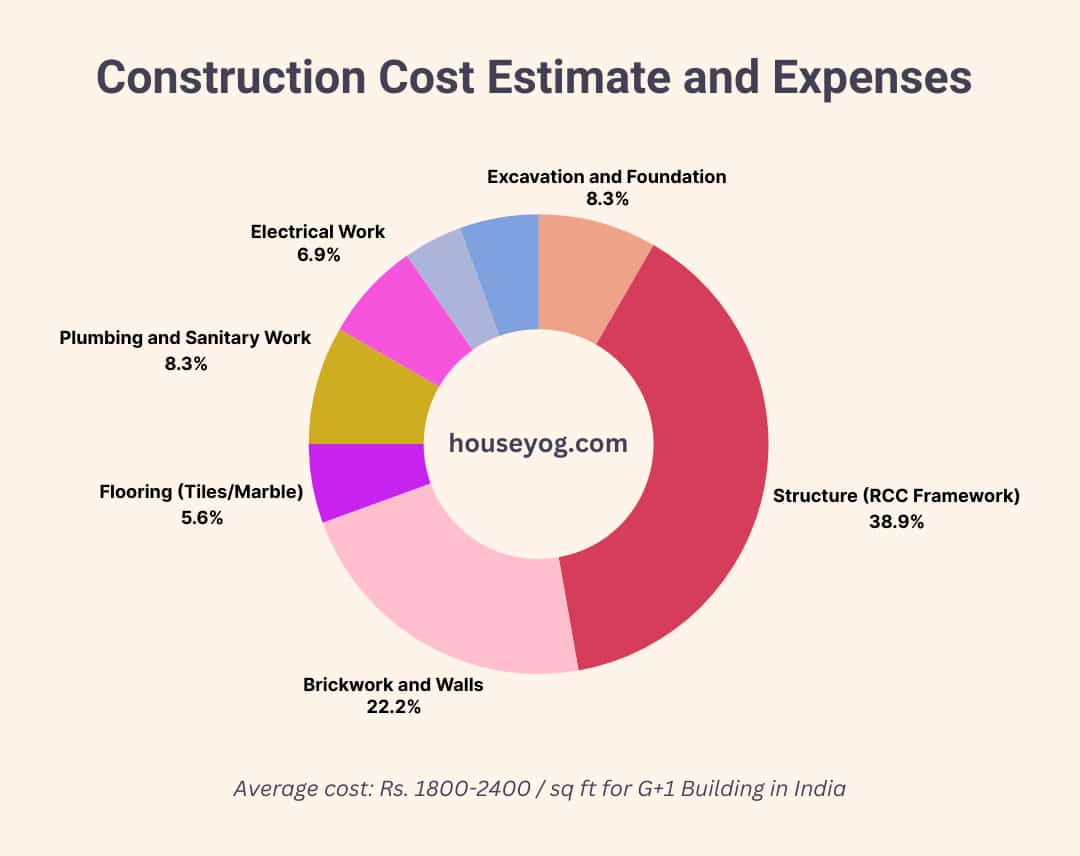
Small expenses happen daily:
- Labour advances
- Local material purchases
- Transport charges
- Snacks, tools, repair work
When these are:
❌ Reported late
❌ Partially recorded
❌ Or not recorded at all
They quietly add up to lakhs per project.
Problem:
No real-time visibility = no control.
2. Expense Inflation by Site Supervisors
Not always intentional—but very common.
Without verification:
- ₹2,000 becomes ₹3,000
- Duplicate bills get submitted
- Old bills reappear in new reports
Why it happens:
- No photo proof
- No timestamp
- No approval workflow
Result:
Office has no way to validate expenses.
3. Material Leakage & Overuse


Without tracking:
- Cement, tiles, fittings disappear
- Extra materials ordered “just in case”
- No reconciliation between purchase & usage
You pay for material that never reaches the site—or never gets used.
4. Budget vs Actual: Too Late to React
Most firms check expenses:
- Weekly
- Monthly
- Or after project completion
By then:
❌ Budget is already crossed
❌ Client refuses extra payment
❌ Your profit takes the hit
Real-time tracking alerts you before damage is done.
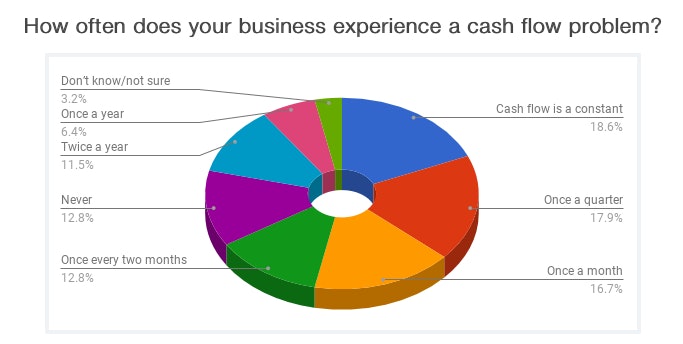
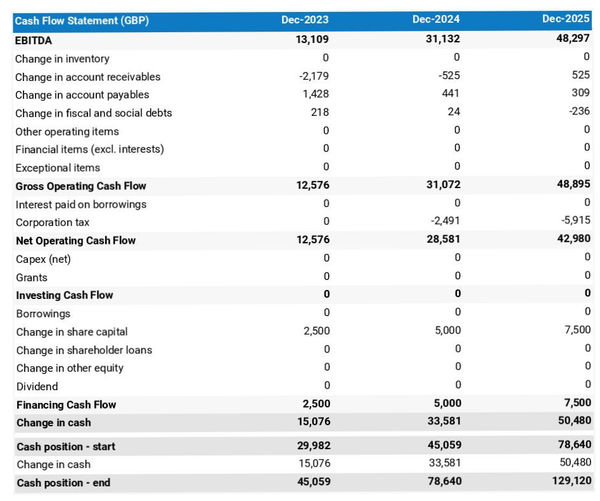
5. Cash Flow Chaos

Without clarity:
- Office doesn’t know how much cash is needed
- Funds are released blindly
- Emergency transfers become routine
This leads to:
- Cash crunch
- Delayed salaries
- Vendor dissatisfaction
6. Disputes with Clients
Clients ask:
“Why is the cost increasing?”
And you answer:
“Site expenses… materials… labour…”
But without:
- Proper logs
- Bills
- Photo proof
Your explanation feels weak.
Lack of transparency damages trust—and delays payments.
7. No Project-Level Profit Clarity
At the end of the project:
- You know total revenue
- You know total expense
But you don’t know:
❌ Which site leaked money
❌ Which supervisor overspent
❌ Which expense category killed margins
Without data, you repeat the same mistakes on the next project.
What Proper Expense Tracking Actually Looks Like

A modern expense system should give you:
✅ Daily expense entry from site (mobile-based)
✅ Photo upload of bills & materials
✅ Auto timestamp & site tagging
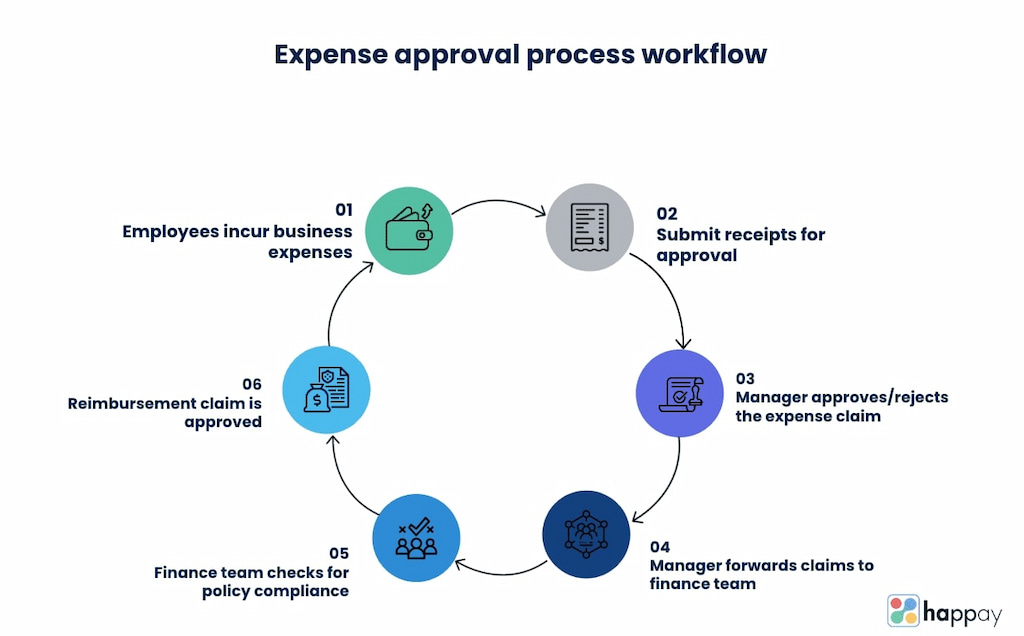
✅ Approval workflow (Supervisor → Office → Management)
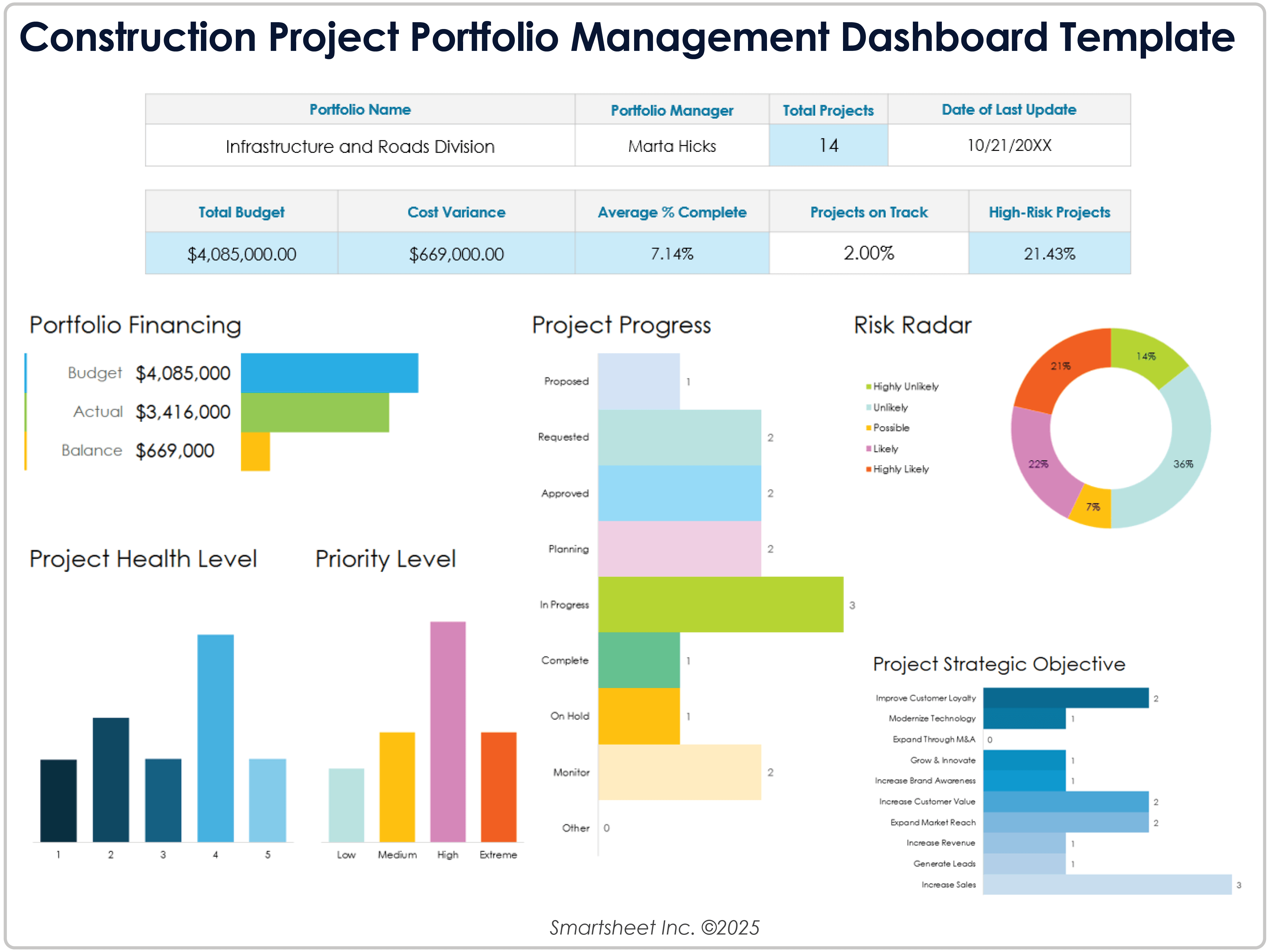
✅ Budget vs actual comparison in real time
✅ Expense category-wise insights
This turns expenses from a blind spot into a control system.
Real Impact: What Firms Gain
Builders & interior firms using proper tracking report:
📉 10–20% reduction in project cost
📈 Faster client payments
🔍 Zero surprise overruns
💰 Clear profit visibility per site
🧠 Better planning for future projects
Expense Tracking Is Not an Extra Feature—It’s a Survival Tool
In today’s competitive construction & interior market:
- Margins are thin
- Clients are demanding
- Costs are rising
Firms that don’t track expenses lose money silently.
Firms that do—scale confidently.